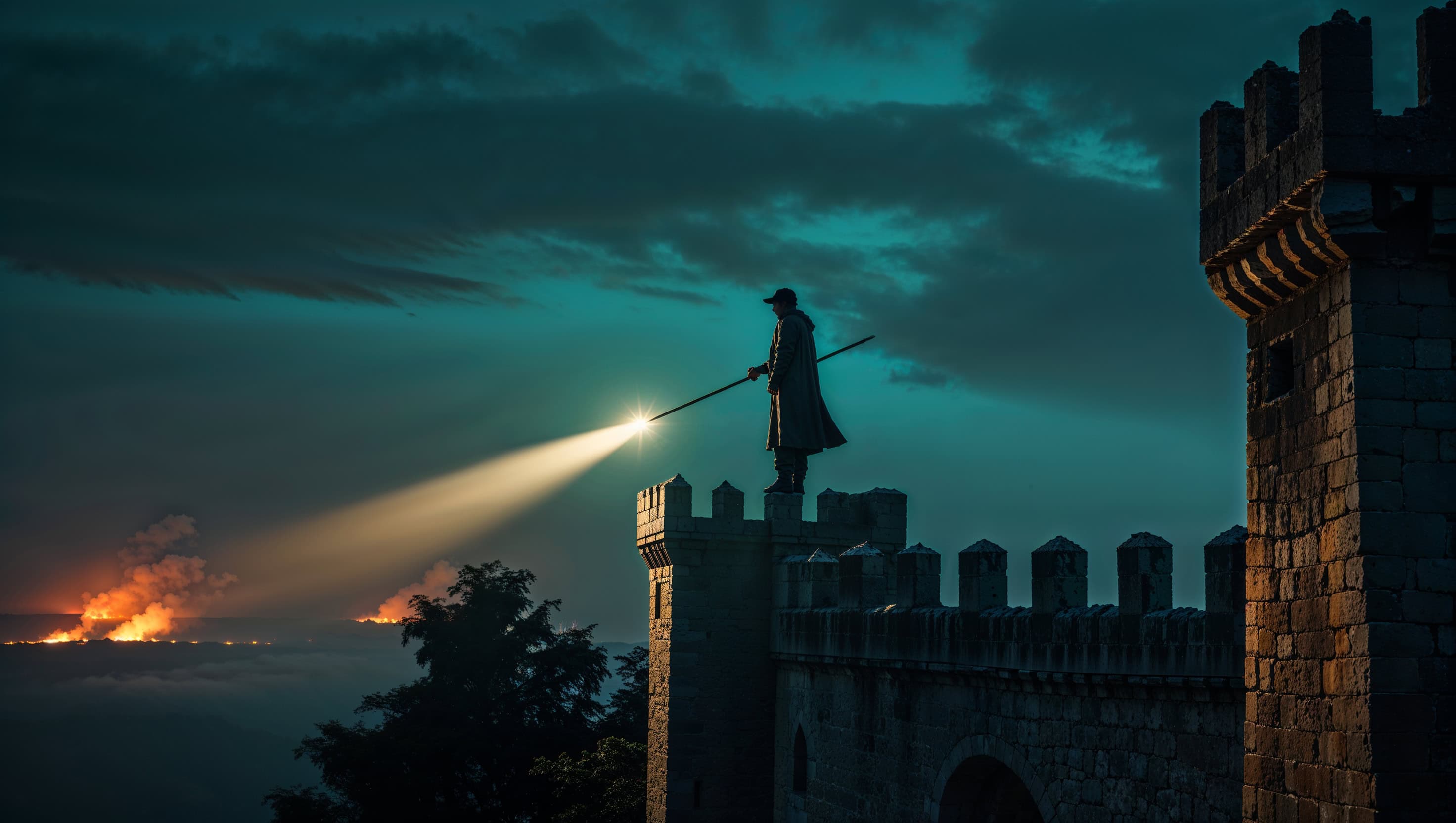
Transgender ideology materialises an ancient occult archetype. From Kinsey’s fraudulent research to Gnostic dualism, this technological bypass around Christian wisdom produces suffering, not liberation.
“There are two equal and opposite errors into which our race call fall about the devils: one is to disbelieve in their existence. The other is to believe, and to feel an excessive and unhealthy interest in them.”
— C.S. Lewis, The Screwtape Letters
Testing the spirits — from ancient divination to digital enchantment
The “occult” names beliefs and practices that traffic with preternatural powers outside God’s authority. From horoscopes and tarot to ritual magic and spiritualism, it sells access to a gnosis that bypasses prayer, patience, the Cross, and Jesus Christ. Occultism hasn’t vanished with modernity — it migrated into wellness culture, pop ritual, algorithmic divination, and the aesthetics of mystery. The occult promises illumination but delivers counterfeit light. We live in a culture hungry for transcendence; discernment is the first act of resistance.
Origins. The occult has a long genealogy that Scripture confronts from Genesis onward. Israel learns to refuse divination and necromancy and to trust the living God. Ancient Near Mediterranean cultures practiced divination, amulets, and mystery cults. Medieval and Renaissance Europe saw ceremonial magic, astrology, and alchemy — met by Christian counter-traditions of discernment. The 19th and 20th centuries brought mesmerism, spiritualism, and Theosophy; occult revivals braided with art and pop culture. New Age and wellness movements promised syncretic healing and self-realisation. Today’s digital occult offers algorithmic astrology, aesthetic ritual, and viral sigils — commodified enchantment.
Contemporary Manifestations. Contemporary occultism disguises itself as self-care. Tarot becomes “intuitive guidance.” Astrology becomes “personality insight.” Reiki becomes “energy healing.” The occult learned to speak therapeutic language. Scripture’s clarity: “Neither let there be found among you and one…that consulteth soothsayers or observeth dreams and omens, neither let there be any wizard” (Deuteronomy 18:10). The method matters, not the intention. Technology hasn’t secularised the occult — it amplified and democratised it. “Co-Star” notifications replace morning prayer. TikTok witchcraft replaces catechesis. The screen mediates mystery without demanding submission to Truth — the oldest lie in new packaging.
Across the centuries, the forms change, but the logic remains the same. Markets monetise mystery; politics weaponise myth; private wounds become public spectacle. What begins as “harmless insight” becomes habit, then bondage.
The occult operates through deception, spectacle, and the promise of hidden knowledge. Discernment requires multiple lenses — historical, spiritual, and practical. These three gateways equip you to recognise counterfeits, understand spiritual conflict, and maintain vigilance without falling into either credulity or denial.

Recognising the Counterfeit
The occult didn’t begin with TikTok astrology or wellness crystals. Scripture confronts it from Genesis onward — Israel learned to refuse divination and necromancy. The Church Fathers battled Gnostic counterfeits. Medieval Christendom met alchemy and ceremonial magic with discernment.
Contemporary manifestations aren’t innovations — they’re ancient errors in digital packaging. “New Age” repackages old heresies. Therapeutic spirituality baptises pagan cosmology. The forms change; the logic remains identical.
This gateway traces occult practices through history, revealing patterns. When you see how the serpent has always operated, you won’t be deceived by his latest costume.

Why People Are Vulnerable
Paul’s warning is explicit: “For our wrestling is not against flesh and blood: but against principalities and powers” (Ephesians 6:12). The occult isn’t cultural curiosity — it’s active rebellion coordinated by spiritual powers.
Occult practices function as doorways of consent — granting spiritual access through seemingly harmless participation. When divination is forbidden in Deuteronomy 18, when the Ephesian converts burn their magic books in Acts 19, Scripture demonstrates that these aren’t neutral tools.
This gateway teaches you to see cultural phenomena as spiritual conflict. Modern progressivism operates as secular soteriology. Technocracy mimics divine omniscience. Therapeutic culture denies the Cross.

The Path to Deliverance
“Be sober and watch: because your adversary the devil, as a roaring lion, goeth about seeking whom he may devour” (1 Peter 5:8). Discernment isn’t reserved for clergy — it’s every Christian’s duty.
“Try the spirits if they be of God” (1 John 4:1). The test is straightforward: Does this practice direct me toward Christ or away from Him? Does it require surrender to God’s will or promise autonomy? Does it demand repentance or offer technique?
This gateway provides practical tools for everyday vigilance — clarity without voyeurism. The goal isn’t to make you an expert in esoteric systems but equipping you to recognise counterfeit light and to choose the true Light instead.
These three gateways work together. Historical knowledge prevents you from mistaking repackages paganism for spiritual progress. Spiritual warfare reframing helps you see cultural dysfunction as demonic strategy. Practical discernment gives you tools to navigate daily encounters with the occult. Where the spectacle ends, grace begins.
Transgender ideology materialises an ancient occult archetype. From Kinsey’s fraudulent research to Gnostic dualism, this technological bypass around Christian wisdom produces suffering, not liberation.
I write about the occult because people are being harmed and the Church is largely silent. Yoga classes have proliferated. Tarot appears in the spiritual direction literature. “Energy healing” is recommended by Catholic therapists. The demonic is real, it is active, and the pastoral response to its normalisation has been almost entirely inadequate.
I am not interested in sensationalism. I am not hunting demons under every stone or diagnosing spiritual oppression where ordinary sin will do. The Church’s traditon is precise: discernment requires careful attention to the distinction between the diabolical, the psychological, and the merely sinful. Fr. Ripperger has done more to recover this precision than almost every contemporary writer, and these essays draw heavily on his work.
My concern is not academic. These practices open doors. Once opened, they are not easily closed. The appropriate response requires both theological clarity and genuine compassion — naming what is happening without condemning the people it is happening to.
The devil is not under every rock. But he is somewhere. Sobriety, not panic, is the appropriate response.