No Results Found
The page you requested could not be found. Try refining your search, or use the navigation above to locate the post.
Dane Zammit

“The unconscious is structured like a language.”

At the core of human suffering lies desire — its misdirection, its denial, its idolisation. We do not move through the world by ideas alone; we are carried by loves that both bind and blind.
Drawing on Freud and Lacan, and engaging Deleuze and Guattari, these essays treat the unconscious as structured like a language: it condenses and displaces meaning, speaking in slips, symptoms, and symbols. Psychoanalysis is the discipline of listening where sense seems least likely.
Beneath those fragments is a deeper hunger. Here, the inquiry goes beyond a merely material account of desire and poses spiritual questions. “What do I want?” becomes “What heals the heart?” Interpretation becomes a path from compulsion to clarity, and where grace interrupts, desire is reordered toward God.
Psychoanalysis began as a way of listening. But what was born in the clinic soon pressed outward — into jokes, rituals, advertising, and power.
Together, these lines teach that the personal and the political interpenetrate — inner syntax and outer circuitry — where the same logic gives form to culture. Private compulsions find a place in public markets, and public myths colonise private wishes.

My work resists reduction. Neither biological determinism nor libertine mythologies explains the human person. I deploy psychoanalytic instruments with a theological horizon, asking how law and love shape desire and how grace reorders enjoyment.
Methodologically, I commit to:
Charity toward persons, severity toward idols.
Primary sources over slogans; careful translation from the clinic to culture.
Clear warrants: not pathologising at a distance.
Readiness to revise when better arguments or facts require it.
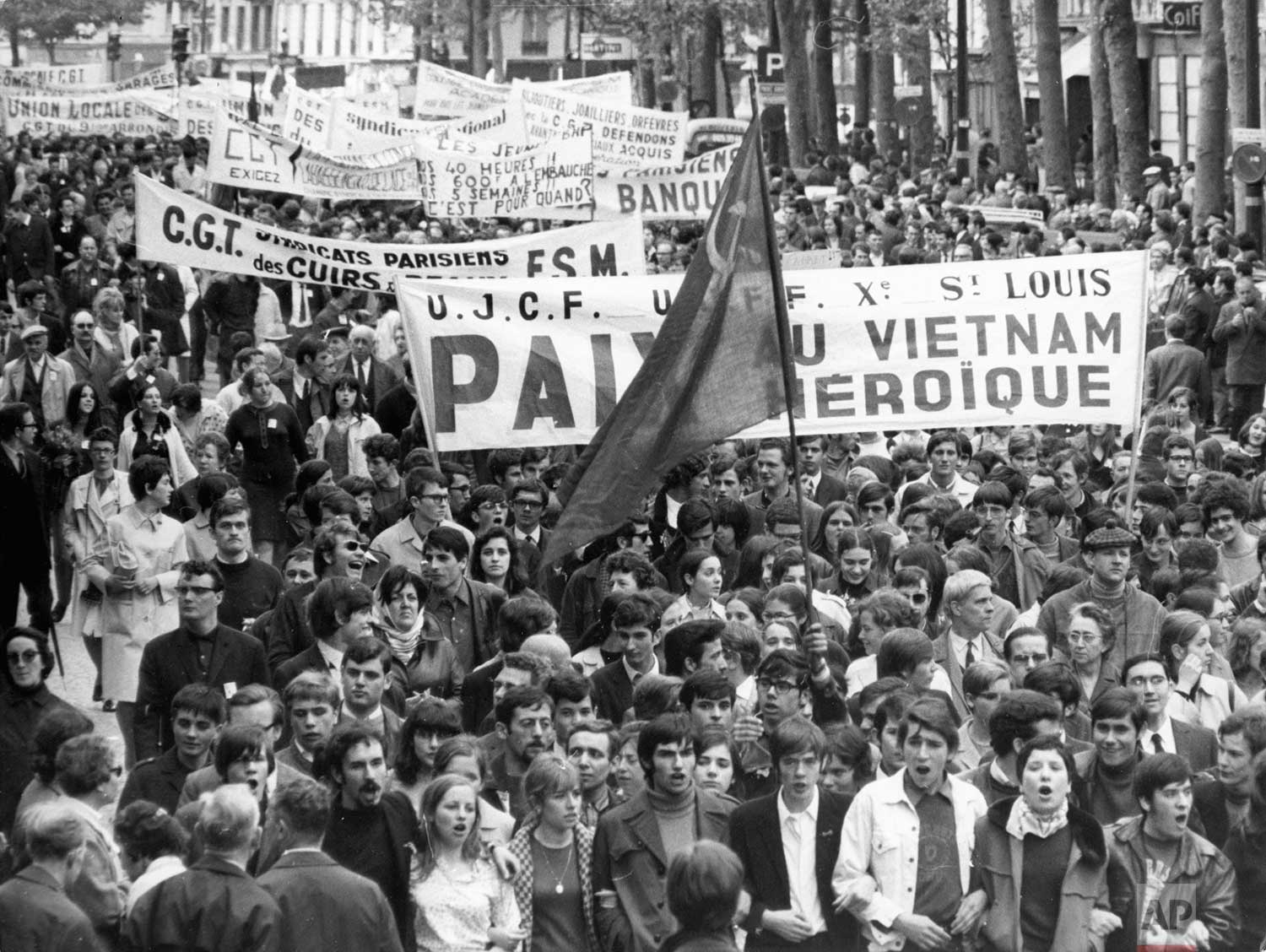
Analysis does not end at the couch. Symptoms scale: families, institutions, and markets organise enjoyment and fear. Fantasies prop up ideologies. Repression returns as scandal or sudden moral certainty.
My work uses psychoanalytic tools — transference, repetition, the split subject and the Other — to read how societies mould us and sometimes break us. The aim is discernment, not neutrality — to distinguish what merely soothes from what truly heals.

“You have made us for Yourself, O Lord, and our heart is restless unless it rests in You.”
Psychoanalysis offers accurate insights into speech, desire, and repetition. Left to itself, however, it can name the wound but cannot give a new heart. It clarifies motives; it does not confer mercy.
Left to itself, psychoanalysis narrows the person to material processes and speech acts. The human being is psychosomatic — body and soul knit together — so any merely material account explains much but cannot renew. In public life, psychoanalysis is easily conscripted to ideologies across the spectrum: one wing baptises permissiveness as liberation; another retreats into rule without renewal. Both confuse appetite or order with healing. Healing requires the truth and grace of Jesus Christ, who reorders love and reconciles mind and heart.
This site, therefore, receives psychoanalysis as a living resource — not a relic, not a culture-war slogan, but a disciplined listening ordered to truth. It refuses both the dream of limitless freedom and the reflex to medicalise dissent. It asks for conversion of desire, not merely behaviour management.
Where analysis ends in clearer speech, grace begins in rebirth. Psychoanalytic insight is thus a prelude — a clearing where faith and reason may meet without illusion, and where healing can truly begin.

“Truth has the structure of a fiction; our freedom is sustained by ideological fantasy.”
The page you requested could not be found. Try refining your search, or use the navigation above to locate the post.
The page you requested could not be found. Try refining your search, or use the navigation above to locate the post.